Loading...
First Round of Abstract Submission Ends: Aug 30, 2026
Extended Early Bird Ends: Jan 30, 2026

Plenary Speakers

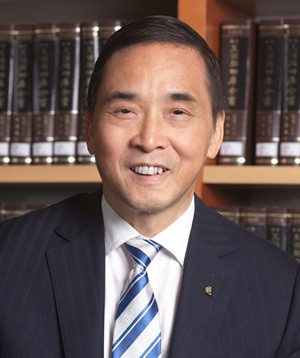
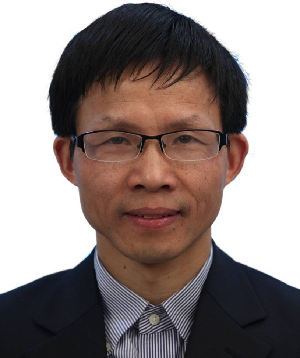
Prof. Aiping Lyu
Hong Kong Baptist University, Hong Kong
Title: New Drug Discovery from Natural Products with Novel Biotechnology
Professor Lyu Aiping, a world-leading scientist in Chinese medicine driven system health and translational medicine, is currently Vice-President (Research and Development). Prof Lyu is the Dr. Kennedy Y. H. Wong Endowed Professor in Chinese Medicine at HKBU. He has been elected as a Foreign Member of the Academia Europaea in 2022 in recognition of his sustained academic excellence in systems medicine.

As Vice-President (Research and Development), Professor Lyu is responsible for the development of the University’s overall research strategy, research funding strategy, research infrastructure and postgraduate education. He supports the University in driving multidisciplinary and transdisciplinary research, and leads research teams in securing large extramural research projects.

Professor Lyu obtained his Bachelor’s degree in Chinese Medicine from Jiangxi University of Traditional Chinese Medicine in 1983. He further obtained his Master’s and PhD degrees in Integrative Medicine in Pathology from the China Academy of Traditional Chinese Medicine (now known as the China Academy of Chinese Medical Sciences, CACMS) in 1987 and 1997 respectively.

Prof Lyu joined the University as the Dean of Chinese Medicine in 2012 and has provided excellent academic leadership for the ongoing development of the School of Chinese Medicine. Professor Lyu has been at the forefront of promoting transdisciplinary research which integrates traditional Chinese medicine with other biomedical disciplines. Prior to his appointment at HKBU, Professor Lyu was the Executive Director (Legal Representative) of the Institute of Basic Research in Clinical Medicine at China Academy of Chinese Medical Sciences (CACMS).

Prof Lyu’s research interests mainly focus on the innovative and translational research in Integrative medicine, including pharmacological and clinical evaluation on rheumatoid arthritis with re-classification and interventions, and the development of new drugs based on Chinese medicines. He is also actively involved in the research on the standardisation of Chinese medicine and the strategic planning and research on the Chinese medicine development in China
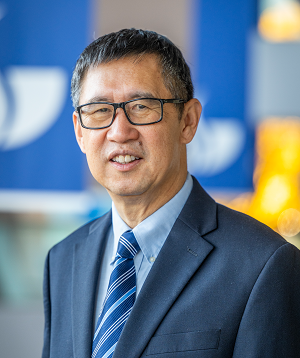
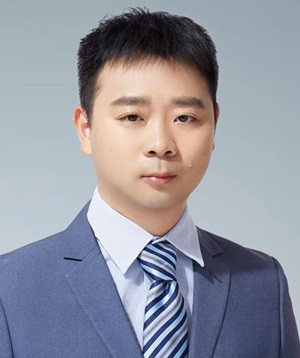
Prof. Binghe Wang
Georgia State University, USA
Title: Developing Carbon Monoxide as a Therapeutic Agent: Overcoming A Challenging Drug Delivery Problem.
Dr. Binghe Wang is Regents’ Professor of Chemistry, Dr. Frank Hannah Chair in Medicinal Chemistry, Georgia Research Alliance Eminent Scholar in Drug Discovery, and founding Director of the Center for Diagnostics and Therapeutics at Georgia State University. He served as the Chemistry Department chair (2011-13), and associate dean (2014-2018) and interim dean (2016) of the College of Arts and Sciences. Dr. Wang is a fellow of the National Academy of Inventors, the Editor-in-Chief of Journal of Enzyme Inhibition and Medicinal Chemistry, and the founding serial editor of Wiley Series in Drug Discovery and Development.
Dr. Wang’s research covers drug design, drug delivery, chemosensing, chemical biology, and organic chemistry. He has co-authored over 370 papers with his students, postdocs and other collaborators, and has given about 270 invited lectures worldwide. Dr. Wang also served as the Editor-in-Chief of Medicinal Research Reviews for 20 years (2000-2019) and has participated in over 60 NIH review Study Section meetings and the organization of over 40 international symposia and conferences including serving as a lead co-chair of the 2026 National Medicinal Chemistry Symposium of the American Chemical Society.
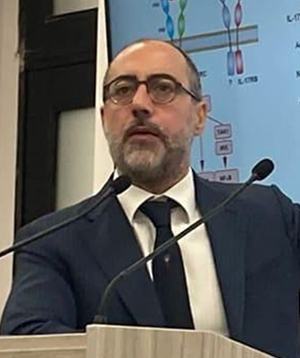
Prof. Francesco Maione
University of Naples Federico II, Italy
Title: Blueprint mapping reveals a therapeutic window for dual IL-17A/F neutralization with a novel topical biologic (Ab-IPL-IL-17) in psoriasis
Prof. Maione's teaching and research activity is focused on i) the role of interleukin-17A/F (IL-17A/F) in the etiopathogenesis of autoimmune-based inflammatory diseases such as rheumatoid arthritis, immune colitis and psoriasis and ii) the role of natural compounds, nutraceuticals/novel foods and novel supplements in the regulation and modulation of the immune response. His research activity as head of the ISO9001-certified laboratory ImmunoPharmaLab, at the Department of Pharmacy, University of Naples Federico II, is also supported by active participation in several licensed clinical trials both in Italy and abroad (UK).
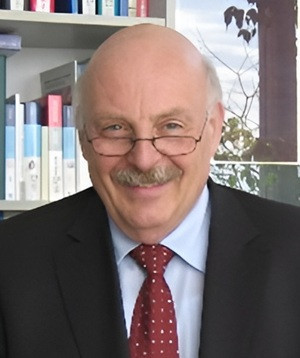
Prof. Gerd Schmitz
University Hospital Regensburg, Germany
Title: Human milk regulates stem cell fate decisions - Implications for the prevention of obesity and diabetes by breastfeeding in contrast to formula feeding
Professor Dr. med. Gerd Schmitz was Professor of Laboratory Medicine and Transfusion Medicine and the former Head of the Institute for Clinical Chemistry and Laboratory Medicine-Central Laboratory and Bloodbank/Stemcell-Center at the University Clinic of Regensburg.

The major research interest has been the pathogenesis of vascular and metabolic diseases with a focus on the role of the innate immune system and particularly cytomics of blood cells and their released microparticles. The group coordinated the EU-funded “European Working Group of Clinical Cell Analysis (EWGCCA)” with a major focus on Multiparameter Fluorescence Flow Cytometry and Confocal Imaging Microscopy.

The group was the first who published the genetic defects of the rare diseases Acid Lipase Deficiency(CESD & Wolmans Disease), ApoA-I Deficiency with Plane Xanthomas, and ABCA1 Deficiency(Tangier Disease). The group continued identifying new mutations in ABCA3 Deficiency, Ceroid Lipofuscinosis, Hermansky-Pudlack Syndrome and Sphingolipidoses. A core competence of the group was the development and implementation of new multiomics-technologies for liquid, cellular and molecular analyses towards evidence-based medicine. Later, a major focus was related to quantitative high-throughput mass-spectrometry (HT-MS/MS-based lipidomics. Here the group had a leading position in Europe, covering the major lipid classes and species. We coordinated the European FP-7-IP-Project LipidomicNet and were a member of the National BMBF-SysMBIO project. We also participated in the BMBF-DEEP (German Epigenome Project) & the EU-funded MyNewGut consortia. The group extensively characterized the human blood cell lipidome, proteome, transcriptome, and epigenome, especially in monocytes/ macrophages, platelets and circulating microparticles/exosomes. The group characterized the changes in the lipidomic, proteomic, and miRNA-composition of platelets and their microparticles during platelet senescence. The group contributed with lipidomics (e.g. tracking FA-species through miR-122 related lipid classes such as acylglycerols, glycerophospholipids, cholesterylesters, sphingolipids), and analysis of microparticle composition or quantity, and in vitro laboratory testing. Finally, the group studied the Influence of lipidomic and epigenetic stimuli on the in vitro differentiation of members of the “stem cell niche” towards hematopoietic-, osteogenic-, adipogenic- and fibrogenic-lineage development. Prof. Schmitz current interest focuses on the epigenetic, transcriptomic and lipidomic signaling of human milk and milk extracellular vesicles.

He published with his group more than 380 peer reviewed scientific publications in leading International Journals.
Prof. Jianbo Xiao
University of Vigo, Spain
Title: Polypehnols Reshape Metabolic-Epigenetic Interplay to Induce Transgenerational Host Defense
Dr. Jianbo Xiao is current a full professor of Department of Analytical Chemistry and Food Science, Faculty of Science, University of Vigo (Spain) and the distingished professor of Universidad Europea del Atlántico (Spain). He received PhD degree in nutrition from Okayama Prefectural University (Japan) in 2009. He worked as a Postdoc supported by AvH foundation at University of Würzbug, Germany (April 2013-May 2015) and then worked as an assistant professor in University of Macau (October 2015-December 2020). He has accepted and published more than 500 peer reviewed papers including Nature Reviews Drug Discovery, Nature Communication, Advanced Science, Journal of Advanced Research, Pharmacological Research, Food Chemistry, and so on (Google citation: 50000, H-index 113). Dr. Xiao is the expert Reviewer of European Science Foundation, UK Diabetes Foundation (UK), Natural Science Foundation of China (China), the Italian Ministry for Education, University and Research (Italy), Poland National Science Centre (Poland), National Center of Science and Technology Evaluation (Kazakhstan), and Croatian Science Foundation (Croatia). Dr. Xiao is the founding editor of Food Frontiers (IF 6.9), eFood (IF 5.7), Food Safety and Health (Wiley), and Future Postharvest and Food (Wiley), the associate editor of Journal of Advanced Research (IF 13.0), Phytomedicine (IF 8.3), Phytochemistry Reviews (IF 7.6), Quality Assurance and Safety of Crops & Foods (IF 5.3), Journal of Berry Research (IF 1.5), and Phytomedicine Plus (Elsevier), the academic editor of Journal of Food Biochemistry (IF 4.0) & Journal of Food Processing and Preservation (IF 2.5), the section editor of Current Neuropharmacology (IF 5.3), and the editorial board member of Trends in Food Science & Technology (IF 15.4), Critical Reviews in Food Science and Nutrition (IF 12.0), Current Research in Food Science (IF 7.0), Food Science and Human Wellness (IF 7.4), Current Research in Biotechnology (IF 4.0), Industrial Crops and Products (IF 6.2), Journal of Nutritional Biochemistry (IF 4.9), Food Chemistry: Molecular Sciences (IF 4.7), and so on.
Prof. Jian-Jiang Zhong
Shanghai Jiao Tong University, China
Title: Drug discovery from medicinal fungi: a biotechnological, chemical, and pharmacological integrated study
Professor JJ Zhong is a biotechnologist. He completed his PhD course in March 1993 from Osaka University. He was the director of State Key Lab. of Bioreactor Engineering at East China University of Science and Technology during Dec. 1998 - July 2006. Since April 2007, he has been a University Distinguished Professor of Shanghai Jiao Tong University and PI at the State Key Lab. of Microbial Metabolism. He has published more than 270 papers in international journals. Dr. Zhong was awarded the Cheung Kong Scholar Professorship from the Ministry of Education (MOE), National Science Fund for Distinguished Young Scholars by National Natural Science Foundation of China, the inaugural award of "Young Asian Biotechnologist Prize" by the Society for Biotechnology (Japan), the 1st-class Prize for Advancement of Science & Technology by MOE for twice (in 2004 & 2014), the “Research Exchange Award” from the Korean Society for Biotechnology and Bioengineering, and was a plenary/keynote/invited speaker in over 80 international conferences. He was the Secretary General of AFOB (Oct. 2012 - Sept. 2016) and is now on the editorial board of 10 SCI-cited international journals, including as former Editor-in-Chief (now: Associate Editor) of Process Biochemistry, and as Associate Editor of Biotechnology and Bioengineering and so on.
Dr. Ren-You Gan
Hong Kong Polytechnic University, Hong Kong SAR, China
Title: Chinese Tea: From the Chemistry to Health Functions
Dr. GAN, Renyou is currently an Assistant Professor & Presidential Young Scholar at the Department of Food Science and Nutrition, The Hong Kong Polytechnic University, Hong Kong SAR, China. He received his medical bachelor degree from Sun Yat-Sen University (SYSU), China, and Ph.D. degree from the University of Hong Kong (HKU). He was previously an Assistant Professor at Shanghai Jiao Tong University (SJTU), a Chief Scientist at the Institute of Urban Agriculture (IUA), Chinese Academy of Agricultural Sciences (CAAS), a Principal Scientist at Singapore Institute of Food and Biotechnology Innovation (SIFBI), Agency for Science, Technology and Research (A*STAR), Singapore, and an Adjunct Assistant Professor at National University of Singapore (NUS).

His research mainly focuses on plant-based foods, food functional ingredients, probiotics, gut microbiome and human nutrition/health. His related work has generated more than 250 SCI publications, including more than 140 papers as the first/corresponding author and 31 ESI highly cited papers (data retrieved from WOS in Dec 2025). He has also filed more than 30 patents, with 20 of them awarded. According to Google Scholar, his publications have been cited more than 28,700 times, with an H-index of 89. He serves as the editorial board member of several international journals, including Food as Medicine (Editor-in-Chief), iMeta (Executive Associate Editor), iMetaOmics (Executive Editor), Current Research in Biotechnology (Executive Editor), Fermentation (Section Editor-in-Chief), Frontiers in Nutrition (Section Associate Editor), Nutrients/Antioxidants/Foods/npj Science of Food/Discover Food (Editorial Board members). He has been listed in the Clarivate “Highly Cited Researcher” (Agricultural Sciences, 2021-2023), the Stanford University “World Top 2% Scientists” (Food Science, 2020-2025), ScholarGPS “Highly Ranked Scholar-Prior Five Years” (Agriculture and Natural Resources, 2022-2025), Scilit “Top Cited Scholar” (Phytochemicals and Food Science & Technology, 2023-2025), and the Research.com “Best Biology and Biochemistry Scientists” (2024-2025).